
Law Office of Joseph Acevedo • San Antonio, Texas
Learn how an emergency-room alcohol test differs from a forensic blood test and why the sample type and collection time matter.
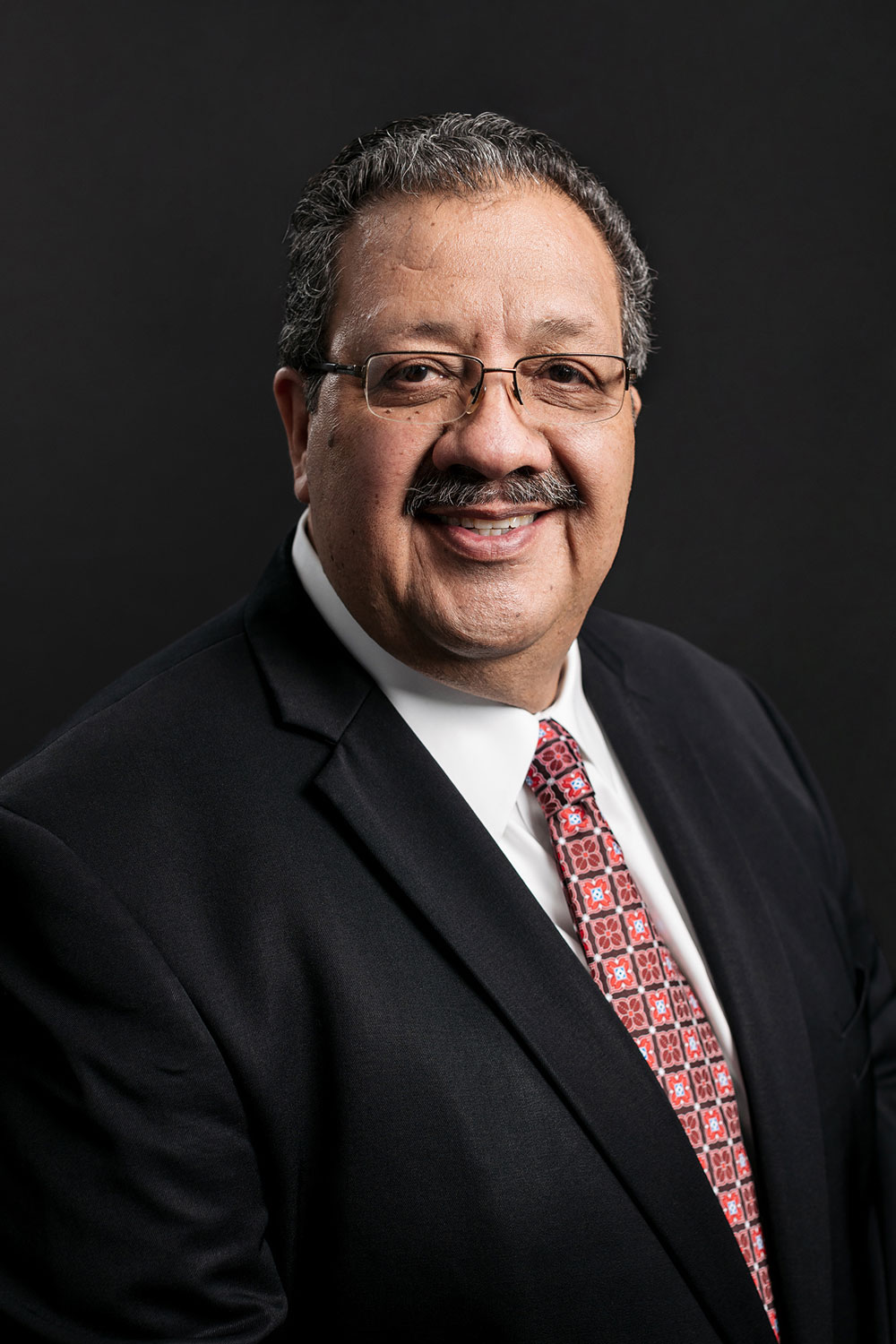 Meet Joseph Acevedo Sr.
If you went to the emergency room after a crash, the hospital may have run an alcohol test as part of your care. That result may appear alongside a separate test from a law-enforcement blood draw. Start by identifying which sample was tested, when it was collected, and how the lab reported it.
A hospital may test blood to guide treatment and may measure ethanol in serum or plasma, which are liquid portions of blood. A separate law-enforcement specimen may go to a forensic lab for whole-blood testing. Both draws can happen at the same hospital, so the paperwork and sample identifiers matter.
First identify the specimen and units. A lab may report a number in milligrams per deciliter, while Texas law expresses the blood alcohol concentration in grams per 100 milliliters. Changing the units and comparing serum or plasma with whole blood are separate questions. Serum and plasma ethanol concentrations are typically higher than whole-blood concentrations from the same draw, and the relationship can vary.
A hospital may use a clinical chemistry analyzer. A forensic alcohol lab may use gas chromatography. The full report and lab records can help identify the method and any limitations relevant to the sample. A collection timestamp can help distinguish when blood was drawn from when the result was posted and put both in context with the crash and treatment.
It can. Whether and how it may be used depends on the circumstances, including how the records were obtained, which sample was tested, and what the result can establish. An attorney can review those questions alongside the medical chart and investigation records.
Bring any lab report or discharge paperwork you already have, including the specimen type, units, and collection time if listed. Mention any separate draw requested by police. Read more about forensic blood tests in Texas DWI cases.
Reference: Journal of Forensic Sciences research on interpreting clinical ethanol results.
Call (210) 227-9797 or request a free consultation to discuss the evidence in your case.