
Law Office of Joseph Acevedo • San Antonio, Texas
Learn how blood collection, sample handling, and lab records can affect the review of forensic alcohol testing in a Texas DWI case.
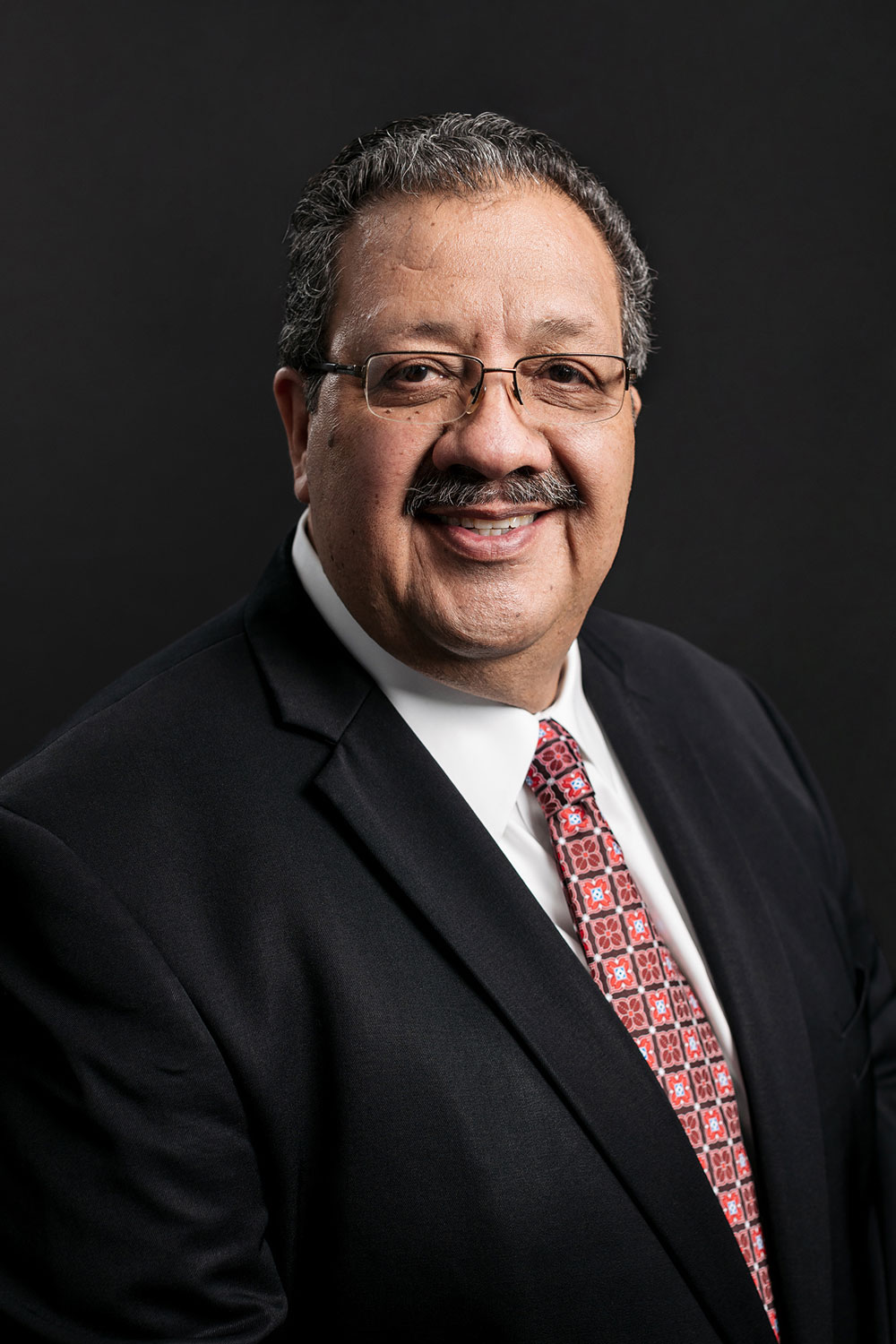 Meet Joseph Acevedo Sr.
When blood collected in a DWI investigation goes to a forensic laboratory, the final report gives the result of the tests the lab performed. The collection paperwork, custody records, and laboratory data can help explain how the lab reached that result.
It depends on what testing was requested and performed. For alcohol, the Texas DPS lab uses headspace gas chromatography to separate and measure ethanol. Drug testing can involve separate screening and confirmation. Detection of a substance can be one part of an impairment investigation, and interpretation depends on the substance and other evidence.
The blood draw time, the type of collection tube, the label and seal, and the conditions during storage and transport help explain how the sample was handled. Counsel can check whether the paperwork and available video agree and whether lab notes document issues such as clotting or a damaged seal.
Chain of custody is the record of who collected, received, stored, and transferred the sample. It helps connect the tube analyzed by the lab to the person and blood draw identified in the case. An unexplained entry calls for a closer look at the records. Its significance depends on what the records actually show.
An attorney can look beyond the final report to the lab’s testing records, including analytical data, quality-control checks, and notes about any deviations. If the report includes measurement uncertainty, counsel can explain what that range means in context. The defense can also ask about the availability of a retained sample and whether independent analysis makes sense.
Find out whether the sample was drawn for treatment, collected for law enforcement, or both. A clinical result can use a different specimen or method. Read about hospital blood tests in DWI cases.
Reference: Texas DPS Toxicology Section.
Call (210) 227-9797 or request a free consultation to discuss the evidence in your case.